





















A practical guide to England beyond London: the Cotswolds, Bath, Oxford, historic estates and the English countryside
The best way to explore England beyond London is to combine two or three days in the capital with a seven- to ten-day journey through the Cotswolds, Bath, Oxford and the English countryside. A tailor-made itinerary connects these places at a comfortable pace, with characterful accommodation, transfers and guided experiences selected around your interests.
Perhaps you picture yourself wandering through a honey-coloured village, exploring a grand country estate or ending the day beside a pub fire. England offers all of this within a few hours of London, but choosing the right route matters. Trying to fit too much into a short stay can turn an inspiring journey into a rushed checklist.
At High Point Holidays, our trips are shaped around your pace, preferred style of accommodation and the experiences that matter most to you. Here is how to build an England itinerary that feels personal rather than pre-packaged.
| The short answer For a first trip beyond London, allow at least seven days and focus on two or three complementary regions. Oxford, the Cotswolds and Bath form a particularly natural route; add Stonehenge, Salisbury, Kent or Cornwall only if your available time and interests make the journey worthwhile. |
Why Explore England Beyond London?
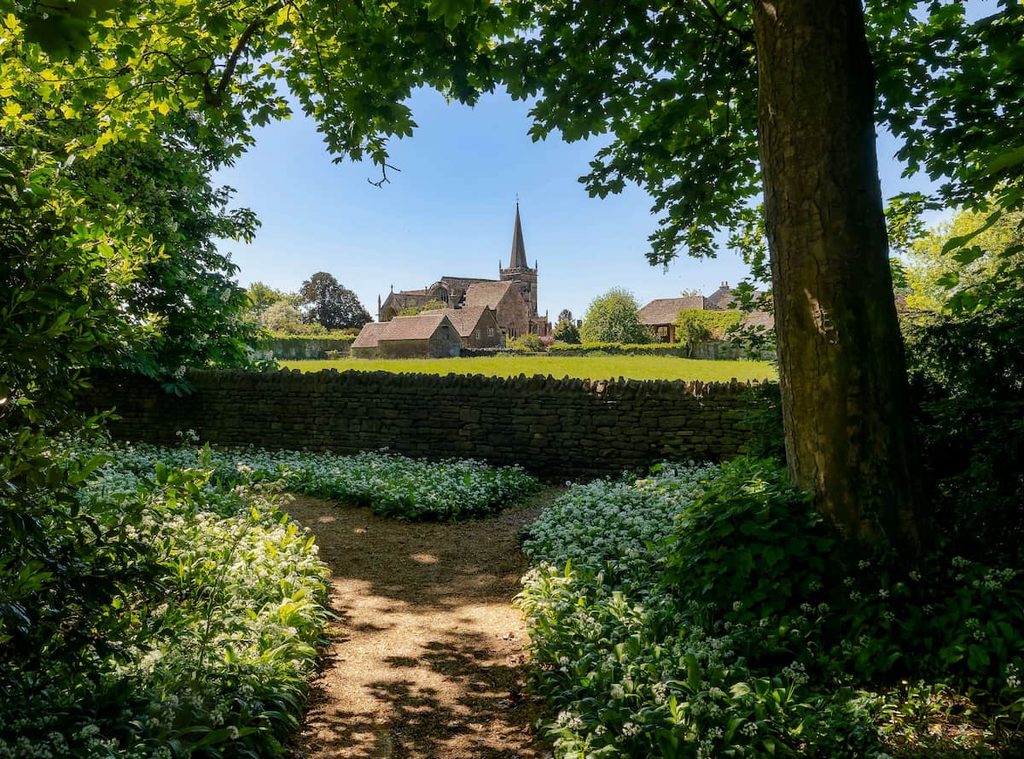
London may be the starting point, but it is only one chapter of the story. In England beyond London, the pace changes: walking paths cross sheep-dotted fields, medieval churches rise above market towns and country houses preserve centuries of art, architecture and family history.
This is also where small details shape the experience. You might pause for afternoon tea in a village tearoom, follow a section of the Cotswold Way, taste English wine in Kent or settle into a historic coaching inn. A tailor-made trip creates time for these moments rather than simply moving you from one headline attraction to the next.
Where to Go in England Beyond London?
The Cotswolds
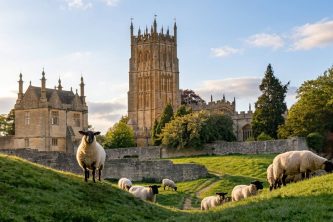
The Cotswolds is the classic choice for travellers seeking English countryside, stone villages and a slower rhythm. Chipping Campden, Broadway, Burford and Bibury each have their own character, but the region is best enjoyed over two or three nights rather than as a hurried day trip. Combine a guided village visit with a gentle walk, a garden, a local producer or an unhurried pub lunch.
| Local planning tip : Do not try to visit every famous Cotswolds village in one day. Two carefully chosen villages and one countryside experience usually create a more memorable day than five quick photo stops. |
Bath and Somerset
Bath combines Roman history with Georgian elegance. Visit the Roman Baths, walk along the Royal Crescent and leave time to enjoy the city rather than treating it as a single attraction. Nearby Somerset adds Wells Cathedral, cider traditions, Glastonbury Tor and attractive rural landscapes, making it a good extension for travellers interested in history, food and the countryside.
Oxford and Blenheim Palace
Oxford is a natural bridge between London and the Cotswolds. Its colleges, libraries and hidden courtyards reward a guided walk, while nearby Blenheim Palace provides a striking introduction to England’s country-house heritage. The two can be combined in one day, although an overnight stay allows for a more relaxed experience.
Stonehenge and Salisbury
Stonehenge remains a priority for many first-time visitors. Pairing it with Salisbury creates a more complete day, combining a prehistoric monument with a cathedral city and one of the surviving original copies of Magna Carta. This route works particularly well between Bath and London or as part of a wider journey through southern England.
Kent: Canterbury, Dover and the Garden of England
Kent is convenient at the beginning or end of a trip from London. Canterbury Cathedral, Dover Castle, the White Cliffs, historic gardens, vineyards and orchards offer a mix of heritage and landscape. It suits returning visitors especially well, or travellers who prefer to avoid a long journey west or north.
Further Afield: York, the Lake District and Cornwall
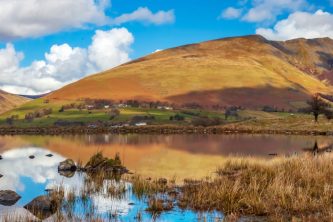
With ten days or more, you can consider travelling further. York offers medieval streets and strong railway connections; the Lake District combines dramatic scenery with walking and literary heritage; Cornwall brings fishing villages, gardens and coastal paths. These destinations deserve several nights, so they should be treated as a second chapter, not squeezed into a short southern England itinerary.
Walking enthusiasts can also explore Cornwall’s Land’s End Coast, one of the most rewarding stretches of the South West Coast Path.
A Sample 10-Day England Itinerary Beyond London
The following route is designed for a first-time visitor who wants culture, countryside and history without changing hotels every night.
Days 1–3: London
Settle in, explore London’s major landmarks and include one experience connected to your interests, such as food, theatre, art or royal history.
Day 4: Oxford and Blenheim Palace
Travel from London to Oxford for a guided introduction to the university city, then continue to Blenheim Palace and the Cotswolds.
Days 5–6: The Cotswolds
Explore selected villages, enjoy a countryside walk and include time for a garden, artisan producer or traditional pub.
Days 7–8: Bath and Somerset
Discover Bath’s Roman and Georgian heritage, then choose a Somerset experience such as Wells, a cider producer or a rural walk.
Day 9: Stonehenge and Salisbury
Travel east via Stonehenge and Salisbury, with an overnight stay near Salisbury or back in London.
Day 10: Departure or an extra London night
Return to the airport, or add a final night if your flight schedule would otherwise make the last day feel rushed.
| Make it yours : This is an example, not a fixed package. The route can be adapted for gardens, literature, walking, family history, stately homes, food and drink, or a special celebration. We can also slow it down by adding extra nights and reducing the number of stops. |
Historic Estates and Castles Worth Building a Trip Around
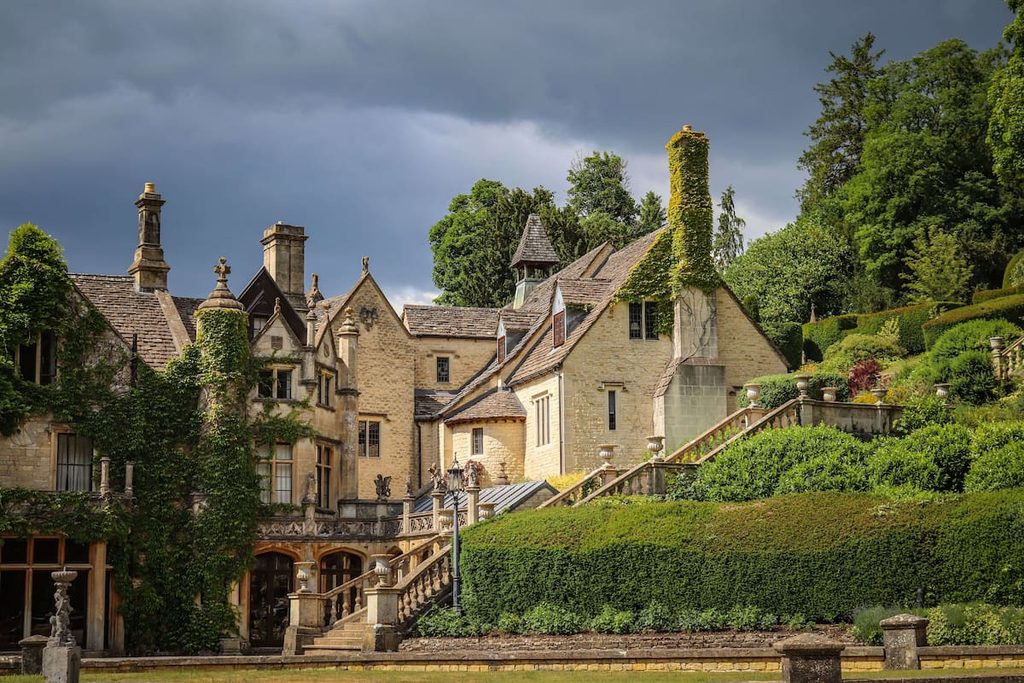
England’s estates are not interchangeable. The best choice depends on your route and interests, which is why opening dates, access arrangements and travel time should be checked before the itinerary is confirmed.
- Highclere Castle for Downton Abbey connections and Victorian country-house history.
- Blenheim Palace for monumental architecture, landscaped grounds and its association with Winston Churchill.
- Chatsworth House for art, interiors and gardens in the Peak District.
- Castle Howard for baroque architecture and Yorkshire landscapes.
- Warwick Castle for an accessible introduction to medieval history, especially for families.
Some estates open seasonally or operate on selected dates. Building the journey around confirmed availability can prevent disappointment and reduce unnecessary driving.
Local Experiences That Make the Journey Personal
The most memorable part of a trip is often not a famous landmark, but an experience that connects you with the place. Depending on your interests, your itinerary might include:
- Afternoon tea in a country house hotel or independent tearoom.
- A village-to-village walk along a manageable section of the Cotswold Way.
- Dinner in a historic pub known for seasonal local food.
- A visit to a cider producer in Somerset or a vineyard in Kent or Sussex.
- A private garden visit or a guided tour with a specialist.
- Watching a village cricket match on a summer afternoon, when fixtures allow.
- A literary, film-location or family-history experience led by a knowledgeable local guide.
Private Driver, Train or Self-Drive?
There is no single best way to travel around England. The right option depends on your confidence, route, budget and desired level of independence.
| Option | Best for | Points to consider |
| Private driver | Comfort, flexible sightseeing and first-time visitors | The most seamless option for rural routes, but usually the highest-cost choice. |
| Train + transfers | London, Oxford, Bath and other well-connected cities | Efficient between cities; private transfers or taxis are useful for villages and estates. |
| Self-drive | Independent travellers and rural itineraries | Offers freedom, but requires confidence with left-hand driving, narrow lanes and parking. |
Many travellers choose a hybrid approach: trains between London, Oxford and Bath, then private transfers or a driver for the countryside. This can balance comfort, flexibility and budget.
Practical Tips for Planning Your England Trip
Best time to go. Late April to early October generally offers longer days and the widest choice of gardens and attractions. May and June suit garden lovers, while September can bring a calmer atmosphere.
How long to stay. Allow at least seven days for London, the Cotswolds and Bath. Ten to fourteen days gives you room to add another region without rushing.
Where to stay. Choose accommodation with character and a sense of place, such as historic inns, country house hotels, boutique hotels and carefully selected B&Bs.
When to book. For spring, summer and important seasonal openings, begin planning six to twelve months ahead. Earlier planning gives a better choice of accommodation and specialist guides.
Entry requirements. Requirements can change. Many US visitors need a UK Electronic Travel Authorisation before travel, so check the latest official UK government guidance and apply through the official service rather than an unauthorised third-party website.
Check the latest UK ETA guidance on GOV.UK
What Makes a High Point Holidays England Trip Different?
High Point Holidays has specialised in slow, experience-led European travel since 2007, with offices in Dorset and the Beaujolais region of France. Our England collection includes tailor-made journeys designed around each traveller’s pace, dates, preferred accommodation and interests.
A Route Designed Around You
We do not begin with a rigid itinerary. We start with the way you want to travel. A garden lover may spend longer near Bath and the Cotswolds; a literary traveller might continue to Yorkshire; a keen walker could add a section of a national trail. The result should feel coherent, not simply customised on the surface.
Local Knowledge That Improves the Details
Our role is not only to suggest destinations, but to make the journey work: choosing villages that complement one another, allowing realistic travel times, checking seasonal opening dates and matching accommodation to the atmosphere you want. These decisions are what turn a list of places into a well-paced holiday.
Characterful Accommodation and Trusted Partners
From historic inns to country house hotels, stays are selected for comfort, character and location. We also work with carefully chosen drivers, guides and experience providers who help bring each destination to life.
A Simple, Personal Planning Process
Tell us what you have in mind, receive a personalised proposal and refine it with our team until the balance feels right. Your itinerary can be adjusted around your dates, interests, preferred pace and budget.
Learn more about how to book a trip with High Point Holidays.
| A useful question to ask before booking : Does this itinerary give me enough time to experience each place, or am I simply collecting destinations? A well-designed route should include breathing space as well as highlights. |
Ready to Plan Your Tailor-Made Trip to England?
Tell us what draws you to England beyond London, whether it is historic houses, countryside walks, gardens, literature, food or simply the pleasure of travelling at a slower pace. Our team will shape a journey around you.
- Start Planning Your England Trip Today
- Explore Tailor-Made Trips in England
- Request Your Personalised Itinerary
Frequently Asked Questions
What is the best England itinerary for a first-time visitor?
For a first visit, combine two or three days in London with Oxford, the Cotswolds and Bath. In seven to ten days, this route offers a balanced introduction to England’s cities, countryside and heritage without excessive travel. Stonehenge and Salisbury can be added if the pace remains comfortable.
How many days do I need to explore England beyond London?
Allow at least seven days for London, the Cotswolds and Bath. Ten to fourteen days gives you more flexibility to include Kent, York, the Lake District or Cornwall. If you have less than a week, choose one countryside region rather than trying to cross the country.
Can you visit the Cotswolds without hiring a car?
Yes. Trains connect London with gateway towns such as Oxford, Moreton-in-Marsh and Bath, but many villages and rural properties are difficult to link by public transport. A private driver, organised transfer or guided day is often the most practical way to explore without self-driving.
Is Bath or Oxford better for a first trip to England?
Choose Bath for Roman history, Georgian architecture and easy access to Somerset. Choose Oxford for university heritage and a natural connection between London, Blenheim Palace and the Cotswolds. If you have enough time, both fit comfortably into a southern England itinerary.
Is it better to drive or use a private driver in England?
Self-driving offers independence and can suit confident travellers spending several days in rural areas. A private driver provides a more relaxed experience and makes village-to-village travel easier. Trains work well between major cities, so a combination of rail and private transfers is often an effective compromise.
How far in advance should I plan a tailor-made England trip?
For travel between May and September, six to twelve months ahead is a sensible planning window, especially if you want specific country house hotels, specialist guides or estates with limited opening dates. Shorter-notice trips are possible, but the best-fit options may be more limited.
Can High Point Holidays personalise a trip for a family or private group?
Yes. Each itinerary can be adapted to the group’s ages, interests, pace, preferred accommodation and budget. Experiences might include castles, easy countryside walks, film locations, gardens, food, literature or family-history research.
Where Experience Is Everything.