





Meet the Makers of Italy: The People Behind Its Traditions
To understand Italy, you could start with its history, art and landscapes. Or you could simply sit down at the table.
Ask an Italian about food and there’s a fairly good chance the answer won’t be short.
Ask how to make a particular dish and things may become even more complicated.
Because in Italy, food isn’t just food.
It’s this pasta, made this way, in this town, preferably according to a recipe someone’s family has been making for generations.
And, naturally, that’s the correct way to do it.
We love that about Italy.
But look beyond the plate and you’ll find the same connection everywhere. In vineyards passed through families, artisan workshops, local markets and traditions that still belong very much to everyday life.
So when we create a journey through Italy, we don’t just think about the places you’ll see.
We think about the people you’ll meet along the way.
What is the best way to experience the real Italy?
There isn’t one single “real Italy”.
That’s part of what makes the country so interesting.
Travel from Rome to Tuscany, Venice, South Tyrol or Puglia and the landscapes change, certainly. But so do the food, wine, traditions and even the way people talk about them.
One of the best ways to understand those differences is to meet the people behind them.
Join a cook in the kitchen. Walk through a vineyard with someone who understands the land. Meet a cheesemaker. Watch an artisan at work. Explore with a local guide who knows the stories behind the streets you’re walking through.
These encounters give context to what you see and taste.
And they’re often the moments you remember most.
In Puglia, start at the market
Bari is a very good place to discover just how closely Italian food is tied to its surroundings.
One experience we can include in a tailor-made journey begins not in a cooking school, but in the narrow streets and local markets of Bari’s old town.
You’ll select ingredients from local markets and shops before heading to a typical house to prepare traditional Apulian dishes together.
Bruschetta. Local cheeses. And, of course, orecchiette with tomato sauce.
Then everyone sits down at the table to eat what they’ve made, accompanied by a glass of Primitivo.
It’s relaxed, informal and exactly the kind of experience we love.
Because you’re not simply learning a recipe.
You’re discovering where the ingredients come from, how they’re used and the traditions that surround eating them.
There’s even a stop with a local artisan where you can personalise a “Made in Puglia” souvenir.
In other words, considerably more interesting than another fridge magnet.
Meet Puglia’s winemakers
Venture into the countryside and another side of Puglia begins to appear.
Vineyards have been part of these landscapes for generations, and meeting a local producer gives you the chance to understand what’s actually behind the bottle.
Around Trani, for example, you can visit a local winery, meet the producer and learn about the vineyards before tasting Puglian wines alongside regional specialities.
The wine is obviously important.
But so is hearing why particular grapes thrive here, how the landscape influences what’s in your glass and how the producer approaches winemaking.
Wine tastes slightly different when you’ve walked through the place it came from.
We’re fairly convinced of that.
Watch mozzarella being made in Polignano a Mare
Here’s another food you probably think you know.
Mozzarella.
Then you watch an experienced cheesemaker make it in front of you.
Near Polignano a Mare, one experience takes place amongst orange trees and introduces the traditional process behind two of Puglia’s best-known cheeses: mozzarella and burrata.
Starting with milk, you’ll see the transformation happen step by step.
The warm whey. The stretching. The shaping. And finally that rather satisfying moment when something recognisably mozzarella appears.
It’s a craft that’s much easier to appreciate when you see the hands and knowledge behind it.
Naturally, the experience finishes with local food, bruschetta and wine.
We wouldn’t expect anything less from Puglia.
In Rome, learn why a recipe is never just a recipe
Rome is usually associated with the Colosseum, the Vatican and more layers of history than you could reasonably fit into one holiday.
But we’d also recommend discovering the city through its food.
A local street food guide can introduce you to neighbourhoods such as Trastevere or the Jewish Quarter while explaining how Rome’s history and culinary traditions have become intertwined.
There are tastings along the way, perhaps supplì, Roman pizza or something sweet to finish.
But you can go a step further.
Join a professional chef and learn to make pasta and tiramisù yourself.
Fresh fettuccine, made by hand.
Tiramisù.
Prosecco while you cook.
Local wine when you sit down to eat.
It’s one of those travel experiences with a useful side effect: you come home with something you can actually recreate.
Although whether your pasta will receive Italian approval is another matter entirely.
Follow the vines into Tuscany
Move north into Tuscany and food and wine become another way of reading the landscape.
Outside Florence, you can travel along the quiet country roads of Chianti through olive groves, vineyards, old farmhouses and small churches.
And yes, you can do it on a Vespa.
Stop at a local winery to explore the cellars and learn about the wine production process from the people who work there.
At a smaller estate, a guided tasting of wine and olive oil can be paired with seasonal Tuscan food while you learn about the estate’s approach to winemaking.
Or back in Florence, settle into a family-run wine bar where a sommelier can introduce you to Tuscan wines over dinner.
These aren’t simply tastings.
They’re ways of connecting what you’re drinking to the people, landscape and decisions behind it.
In Venice, meet the people behind the glass
Of course, Italy’s makers aren’t all producing things you can eat.
Travel into the Venetian Lagoon and centuries-old artisan traditions are still part of its identity.
Murano is famous around the world for glassmaking, but seeing that craft in person changes your understanding of it.
A visit to Murano can include a glassmaking demonstration, giving you a closer look at the skills and techniques behind one of Venice’s best-known traditions.
Continue to Burano and you begin to experience another side of the lagoon, beyond Venice’s most famous monuments.
That’s what we particularly like about experiences like these.
They turn something you’ve heard of into something you’ve actually seen being made.
In Milan, do as the locals do and stop for aperitivo
Not every local tradition needs to be centuries old.
In Milan, one of the easiest ways to experience the rhythm of local life is simply to join the city for aperitivo.
Head to the Navigli district in the early evening and explore with a local guide, stopping for cocktails and food while learning about a ritual that has become part of Milanese social life.
It’s not simply “a drink before dinner”.
It’s a chance to slow down, meet, talk, eat and ease into the evening.
Which, now that we think about it, is a tradition we could probably all adopt.
Discover a different wine culture in South Tyrol
Continue north and Italy changes again.
Around Bressanone, or Brixen, the vineyards sit beneath an Alpine landscape and the winemaking traditions are shaped by a very different climate and geography.
Here, a guided walk can take you through terraced vineyards while an expert explains how climate, geology and human craftsmanship have influenced local wines over generations.
At the end, taste white wines sourced from small independent producers, accompanied by local cheese or cold cuts.
It’s a particularly good illustration of why talking about “Italian wine” as though it were one thing doesn’t really work.
The producer, landscape and local culture matter.
And here, all three look rather different from Tuscany or Puglia.
Why are local experiences important when visiting Italy?
Local experiences help you understand why Italy changes so much from one region to another.
Orecchiette belongs to a place and a tradition.
Puglian mozzarella isn’t interesting simply because it tastes good, but because of the knowledge involved in making it.
Tuscan wine reflects the vineyards and people behind it.
Murano glass exists because generations of artisans have preserved and developed a highly specialised craft.
These experiences turn familiar names and products into something much more tangible.
You stop simply consuming them.
You begin to understand them.
Where should you go for authentic local experiences in Italy?
Almost anywhere, as long as you’re prepared to look beyond the obvious sights.
Puglia is particularly rewarding for food traditions, local markets, wine, cheesemaking and small-scale producers.
Rome combines extraordinary historical landmarks with neighbourhood food culture and hands-on cooking experiences.
Tuscany is an obvious choice for wine, olive oil and countryside experiences with producers.
Venice and its lagoon offer a completely different form of local craftsmanship, particularly the glassmaking tradition of Murano.
Milan offers contemporary Italian culture through experiences such as the evening aperitivo ritual.
And South Tyrol combines Alpine landscapes, independent wine producers and traditions that feel very different from southern Italy.
That’s precisely the point.
There isn’t one Italy to discover.
There are many.
How can you experience Italy away from the crowds?
Going deeper doesn’t mean avoiding Rome, Florence or Venice.
Some places are famous for very good reasons.
The difference is often in how you organise your time around them.
See the Colosseum, but spend another afternoon cooking with a chef.
Visit Florence’s galleries, then get out into the Chianti countryside and meet a winemaker.
See St Mark’s Square, then cross the lagoon to watch an artisan at work.
And when you travel to places such as Puglia or South Tyrol, give yourself time to explore smaller communities and landscapes too.
You don’t necessarily need to see more.
Sometimes you simply need to experience what you’re seeing differently.
Marianna’s Italian rule 🇮🇹
According to Marianna, our Italian Travel Expert, the best way to understand Italy is around a table.
Take your time, eat what the locals eat and always ask about the recipe.
Just don’t tell an Italian you’ve found a better way to make it.
Bring home more than a recipe
You might travel to Italy thinking you’ll remember the Colosseum, the Tuscan hills, Venice’s canals or Puglia’s coastline.
And you will.
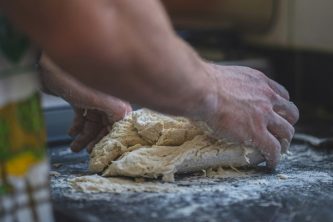
But you may also remember the person showing you how to shape fresh pasta properly.
The cheesemaker stretching warm mozzarella between their hands.
The producer pouring a wine while explaining the vineyard outside.
The glassmaker transforming something molten into something extraordinarily delicate.
Or simply a long conversation around a table that continued well beyond the point you’d expected it to.
Those are the experiences that connect a place to the people who make it what it is.
At High Point Holidays, that’s exactly what we try to build into our tailor-made journeys through Italy.
Not simply places to see.
People to meet. Things to taste. Stories to hear. Traditions to understand.
Don’t just visit Italy. Meet it.
Ready to discover Italy differently?
Our Travel Experts can create a tailor-made Italian journey around the regions, experiences and traditions that interest you most.
→ Explore our holidays in Italy
Frequently asked questions about authentic experiences in Italy
What are some authentic experiences to have in Italy?
Authentic experiences in Italy can include cooking with a local chef, visiting vineyards and independent wine producers, exploring food markets, meeting artisans and discovering regional traditions with local guides. Examples include making pasta in Rome, seeing mozzarella made in Puglia, visiting Tuscan wineries and watching a glassmaking demonstration in Murano.
Where is best for food experiences in Italy?
Puglia, Rome and Tuscany are particularly rewarding for travellers interested in Italian food. In Puglia, experiences can include local markets, orecchiette, mozzarella, burrata and regional wines. Rome combines street food with traditional pasta-making, while Tuscany is particularly famous for wine, olive oil and regional cuisine.
Can you take a pasta-making class in Italy?
Yes. Cooking classes are available throughout Italy and can be a great way to understand regional food traditions. In Rome, for example, you can learn to prepare fresh pasta and tiramisù with a professional chef before sitting down to enjoy what you’ve made.
Can you visit local winemakers in Italy?
Yes. Wine experiences are available across many Italian regions. High Point Holidays can include winery visits and tastings in areas such as Puglia and Tuscany, as well as vineyard walks and tastings with wines from small independent producers in South Tyrol.
Where can you see traditional Italian artisans?
Venice and its lagoon are particularly well known for traditional crafts. On Murano, visitors can see a glassmaking demonstration and discover more about the craftsmanship behind the island’s internationally recognised glass tradition.
What are some authentic experiences in Puglia?
Puglia offers opportunities to explore local markets, prepare traditional food such as orecchiette, meet wine producers, experience mozzarella and burrata making and explore coastal and rural landscapes with local guides.
How can you experience Italy beyond the main tourist attractions?
Combine Italy’s major landmarks with smaller-scale local experiences. Spend time in neighbourhoods, visit markets and producers, explore with local guides, join a cooking class and travel into rural areas. You don’t need to skip Rome, Florence or Venice to travel more deeply. Instead, balance famous sights with experiences that connect you to local people and traditions.
Can High Point Holidays create a tailor-made trip to Italy?
Yes. High Point Holidays creates tailor-made Italy journeys around travellers’ interests, combining destinations, accommodation, transport and activities with experiences such as local food tours, cooking, wine tasting, cultural visits and guided outdoor activities.